Hiring a av technician
What an AV technician does, what they cost by the hour, and how to hire one who tests everything in advance and has a backup when the microphone dies mid-speech.
Updated August 25, 2026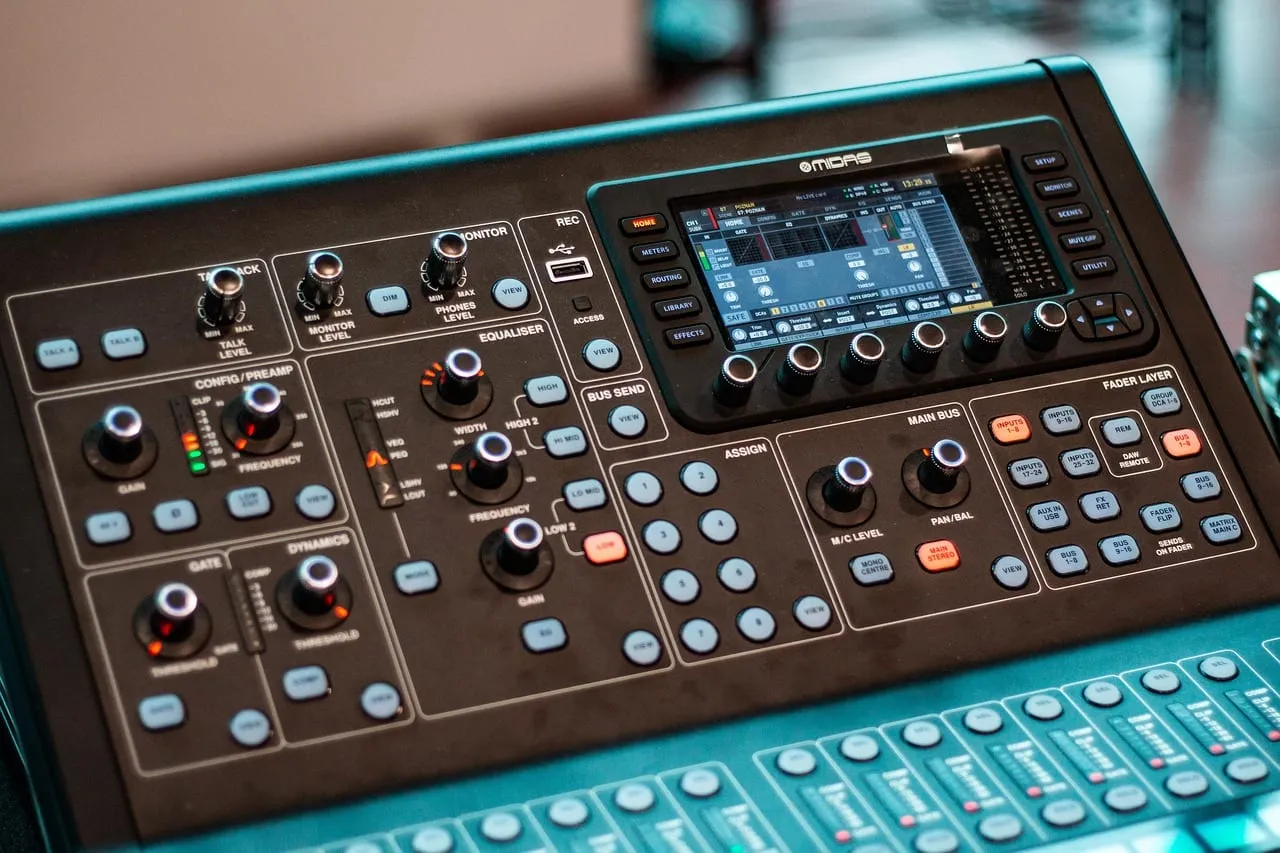
On this page
Questions to ask before you hire
- Have you worked my venue before, or will you do a site visit to check power and acoustics?
- Do you bring backup gear — spare mics, cables, a second projector — for critical moments?
- Are you providing the equipment, operating it, or both?
- Will you run a full tech rehearsal before doors open?
- What's your response plan if something fails during a live speech or presentation?
Red flags
- No site visit and no interest in checking the venue's power or acoustics beforehand.
- No backup equipment for the moments that can't fail — the keynote, the vows, the toast.
- They set up and leave, with no one operating or monitoring the system during the event.
- They skip the rehearsal and plan to sort out sound levels live.
What an AV technician does
An AV technician handles the audio, video, and lighting technology at your event: microphones, speakers, projectors and screens, video feeds, and the mixing that keeps it all balanced. They set the gear up, test it, and — the part worth paying for — operate and monitor it live so a dead mic or a dropped slide gets fixed in seconds, not minutes.
The deliverable is technology that just works and never becomes the story. That’s harder than plugging things in: every venue has different power, acoustics, and sightlines, and feedback, dead zones, and blown projector bulbs are the failure modes that ruin a keynote or a toast. A good technician anticipates them; an amateur discovers them live.
Note the two ways AV is sold: some technicians provide the equipment, some only operate what the venue supplies, and some do both. Clarify which before you book. AV work coordinates closely with your DJ, live musician, and event host, who all depend on the sound system the technician runs.
What it costs
AV technicians typically charge $50 to $150 per hour, and equipment rental is often billed separately. Operating a simple mic-and-speaker setup sits at the low end; running a complex multi-source production with video, staging, and lighting lands at the top. Three things move the price:
- System complexity — one mic is cheap; multiple video feeds, screens, and lighting cues are not.
- Equipment — providing gear costs more than operating the venue’s system.
- Experience — a technician who can troubleshoot a live production under pressure commands more.
See the full breakdown in our AV technician cost guide.
Biggest red flag: No site visit and no interest in checking the venue’s power or acoustics beforehand.
How to choose one
Ask whether they’ll do a site visit or have worked your venue. AV problems are venue-specific — power, acoustics, ceiling height — and a technician who wants to see the room first is doing it right. Then ask about backups: spare microphones, extra cables, a second projector. For the moments that can’t be repeated, redundancy is the whole point.
A professional runs a full tech rehearsal before doors open, sets levels, and stays to operate the system live. An amateur sets up, leaves, and hopes nothing drifts. Confirm someone is actually monitoring the board during the event, not just at the start. Get the equipment list, the operating plan, and the deposit in writing.
What to prepare before you book
Give the technician your run-of-show, the venue details, and a list of what needs sound or video — speeches, presentations, performances, playback. Confirm the venue’s power and any in-house AV requirements, since some venues mandate their own team. Share the schedule with your planner and host so cues line up, and lock the deposit and equipment terms in writing before the date.

Frequently asked questions
How much does an AV technician cost? Typically $50–$150 per hour. Where you land inside that range depends far more on scope and complexity than on who you hire, which is why two honest quotes for the same job can differ widely. Full breakdown in the AV technician cost guide.
What should I ask before hiring an AV technician? Start with these two, because they separate a professional from someone with a website: “Have you worked my venue before, or will you do a site visit to check power and acoustics?” and “Do you bring backup gear — spare mics, cables, a second projector — for critical moments?” The full checklist is above — take it to the call rather than trying to remember it.
What are the warning signs when hiring an AV technician? The one that matters most: no site visit and no interest in checking the venue’s power or acoustics beforehand. Also watch for this — no backup equipment for the moments that can’t fail — the keynote, the vows, the toast. None of these are dealbreakers on their own, but each is a reason to ask a harder question.
How do I know if I actually need an AV technician? Hire when the time it costs you to do it yourself is worth more than the fee, or when getting it wrong is expensive to undo.
How do I compare quotes fairly? Give every candidate the same written scope, or you are comparing interpretations rather than prices. The project brief builder produces one, and the freelance contract template covers what to put in writing once you have chosen.