Hiring a live musician
What a live musician or band brings to an event, what they cost, and how to book one with backup plans, the right sound gear, and a deposit that locks your date.
Updated August 25, 2026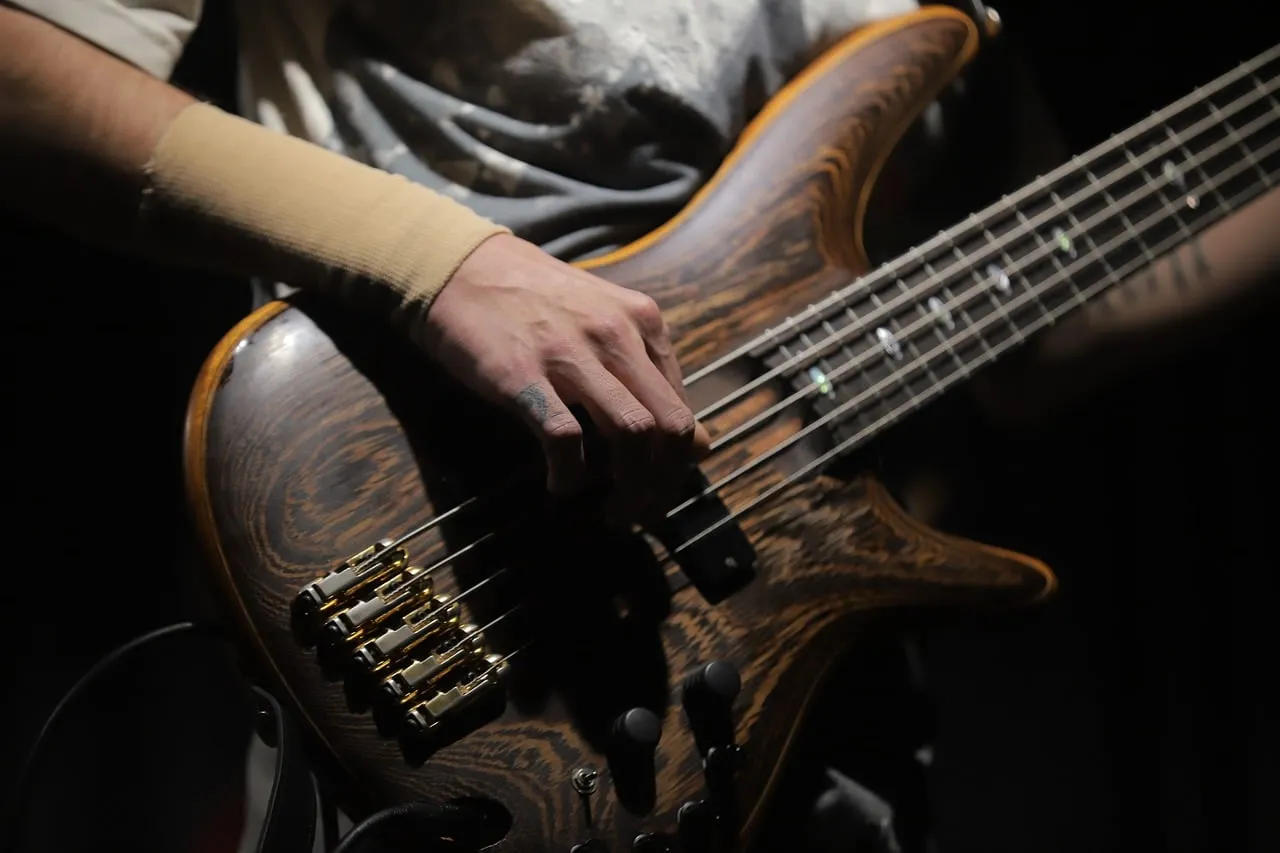
On this page
Questions to ask before you hire
- Can I hear a live recording, not just a studio track, of you performing at an event?
- Do you bring your own PA and sound gear, or do I need to provide it?
- What happens if you or a band member falls ill — do you have a backup or a sub?
- How long is a set, how many sets do I get, and what's the break plan?
- What's the deposit, the overtime rate, and your policy if my date changes?
Red flags
- Only polished studio recordings, with nothing showing how they sound performing live.
- No backup plan if a key player gets sick on a one-shot event day.
- Unclear whether they bring sound equipment, so you discover a gap on the day.
- No written contract covering the deposit, set length, breaks, and date changes.
What a live musician does
A live musician — a soloist, a duo, or a full band — performs live at your event: a ceremony, a cocktail hour, a dinner, or a dance floor. The deliverable is atmosphere you can’t fake with a playlist: a real performer reading the room, stretching a song when the moment’s right, and giving your event a centerpiece.
Live music comes with logistics a recording doesn’t. Musicians need space, power, and usually a PA system — confirm whether they bring their own sound gear or expect you to provide it. Sets run a fixed length with breaks, so plan for what fills the gaps, which is why many events pair a band with a DJ to cover breaks and run the late-night dance floor. If you’re choosing between the two, DJ vs live band lays out the tradeoffs in cost, energy, and flexibility.
The variable a recording hides is the human one: live players get sick, and a solo act with no backup is a single point of failure on a day that only happens once.
What it costs
Live musicians typically charge $500 to $4,000 per event. A solo acoustic act for a ceremony sits at the low end; a full band with multiple sets, sound gear, and lighting lands at the top. Three things move the price:
- Ensemble size — every additional player raises the fee and the logistics.
- Set length — more hours and more sets cost more.
- Experience and gear — an in-demand act that brings its own professional sound system commands a premium.
See the full breakdown in our live musician cost guide.
Biggest red flag: Only polished studio recordings, with nothing showing how they sound performing live.
How to choose one
Insist on live audio or video, not studio recordings. A studio track is polished by engineers; the real question is how they sound performing in a room, handling a crowd, and recovering from a rough moment. Ask directly about a backup plan — a professional soloist has a sub on call, and a band can cover a missing player. No contingency on a one-shot day is a real risk.
Sort out the sound gear early: some acts arrive fully self-contained, others assume the venue provides a PA. A professional coordinates with your event planner and venue on power, space, and timing, and gives you a written contract with set lengths and breaks. Lock the deposit and a date-change policy before you pay.
What to prepare before you book
Give the musician your timeline, the vibe you want for each part of the event, and any must-play songs or first-dance requests. Confirm the venue’s power, space, and any noise ordinance or volume cap — outdoor and residential venues often limit amplified sound. Book early for peak season, and hold your date with a signed contract and deposit as soon as you decide.

Frequently asked questions
How much does a live musician cost? Typically $500–$4,000 per event. Where you land inside that range depends far more on scope and complexity than on who you hire, which is why two honest quotes for the same job can differ widely. Full breakdown in the live musician cost guide.
What should I ask before hiring a live musician? Start with these two, because they separate a professional from someone with a website: “Can I hear a live recording, not just a studio track, of you performing at an event?” and “Do you bring your own PA and sound gear, or do I need to provide it?” The full checklist is above — take it to the call rather than trying to remember it.
What are the warning signs when hiring a live musician? The one that matters most: only polished studio recordings, with nothing showing how they sound performing live. Also watch for this — no backup plan if a key player gets sick on a one-shot event day. None of these are dealbreakers on their own, but each is a reason to ask a harder question.
How do I know if I actually need a live musician? Hire when the time it costs you to do it yourself is worth more than the fee, or when getting it wrong is expensive to undo.
How do I compare quotes fairly? Give every candidate the same written scope, or you are comparing interpretations rather than prices. The project brief builder produces one, and the freelance contract template covers what to put in writing once you have chosen.